
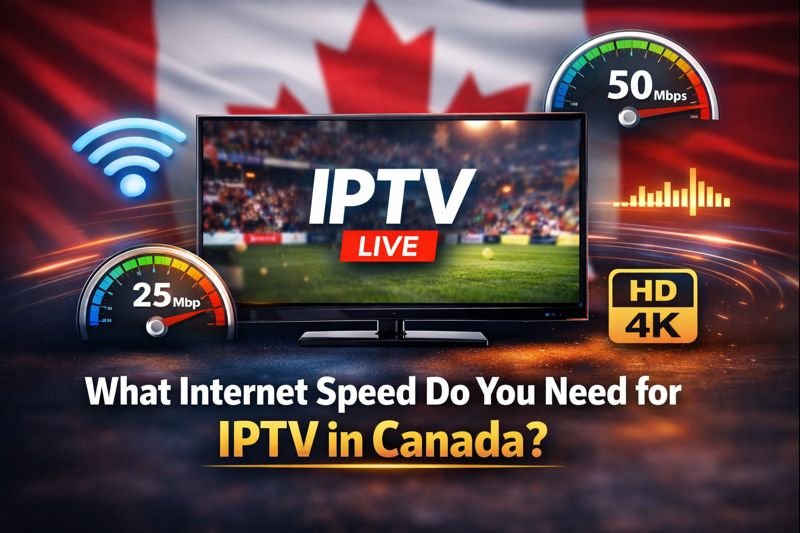
Internet streaming has completely changed how people watch television, especially in Canada where high-speed connections are widely available. Traditional cable TV is gradually losing popularity as more users switch to internet-based television solutions that offer greater flexibility, wider content choices, and better value. As IPTV continues to grow in popularity, one question remains essential for new and existing users: What Internet Speed Do You Need for IPTV Canada
Understanding internet speed requirements is critical for anyone who wants a smooth and reliable streaming experience. Many users assume that any internet plan will work, but IPTV performance depends on more than just being connected. Speed, stability, household usage, and network setup all play an important role in overall viewing quality.
How IPTV Streaming Works Over the Internet
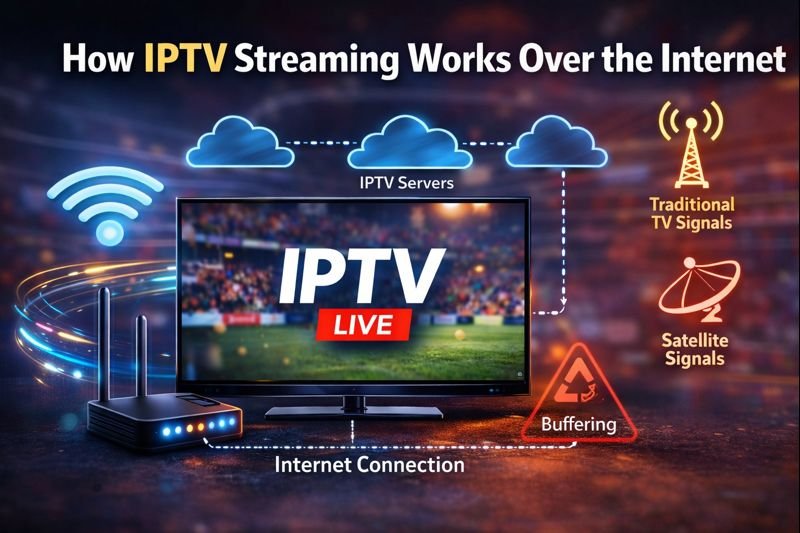
IPTV delivers television content using internet protocols rather than traditional broadcast signals, which explains why many users ask What Internet Speed Do You Need for IPTV in Canada? Instead of using satellite or cable infrastructure, all video data is transmitted through your internet connection in real time. This streaming method allows viewers in Canada to access live TV channels, movies, and series instantly, but it also means that internet performance becomes a critical factor in overall quality.
Because IPTV relies on constant data delivery, any interruption in your connection can cause buffering or freezing, regardless of the service you use. Even users with fast internet plans may experience problems if their connection lacks stability. This is why understanding What Internet Speed Do You Need for IPTV in Canada? is essential before choosing an IPTV setup, as proper internet speed and consistency directly determine how smoothly IPTV streaming works over the internet.
Internet Speed and Streaming Quality Explained
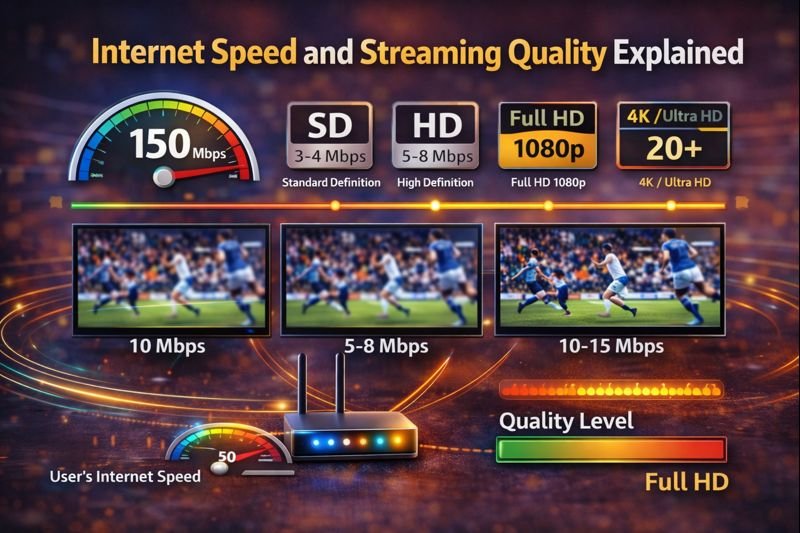
The quality of your viewing experience depends largely on the resolution of the content you watch. Lower resolutions require less data, while higher resolutions consume more bandwidth. Standard-definition streaming can work with relatively low speeds, but it no longer meets the expectations of most modern viewers.
High-definition streaming has become the baseline for many users, offering clearer images and smoother motion. Full HD provides even better detail, while ultra-high-definition content delivers the highest level of visual quality available today. When asking What Internet Speed Do You Need for IPTV in Canada?, it is essential to match your internet plan to your preferred video quality.
Having extra bandwidth beyond the minimum requirement allows streams to remain stable even when internet traffic increases, such as during evening peak hours.
Why Stable Internet Matters More Than Fast Internet
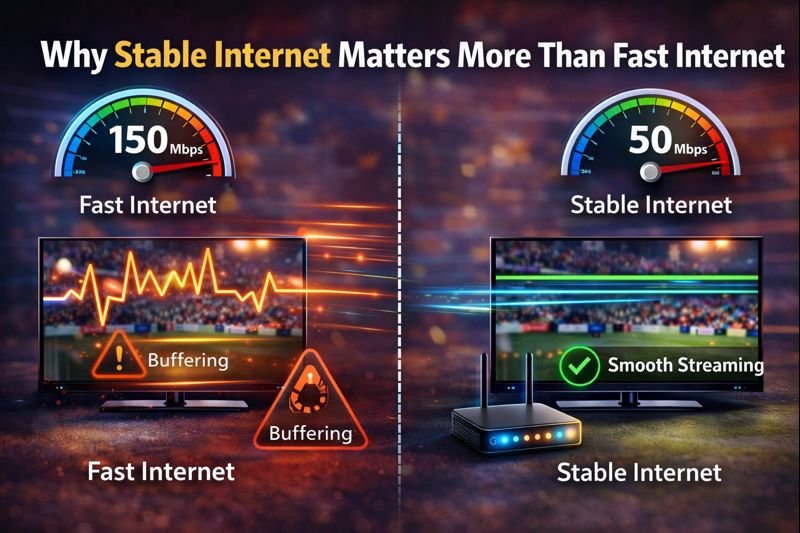
One of the most common misconceptions is that higher speed automatically means better streaming. In reality, IPTV performance depends more on stability than on maximum speed. A connection that frequently drops or fluctuates can interrupt streaming even if the advertised speed is high.
Live television is especially sensitive to speed changes. Unlike on-demand content, live streams cannot buffer far ahead. Even short drops in connection quality can result in pauses or lower video resolution. This is why users with consistent internet connections often enjoy smoother playback than those with faster but unreliable service.
When evaluating What Internet Speed Do You Need for IPTV in Canada?, consistency should always be a top priority.
The Effect of Multiple Devices on IPTV Performance
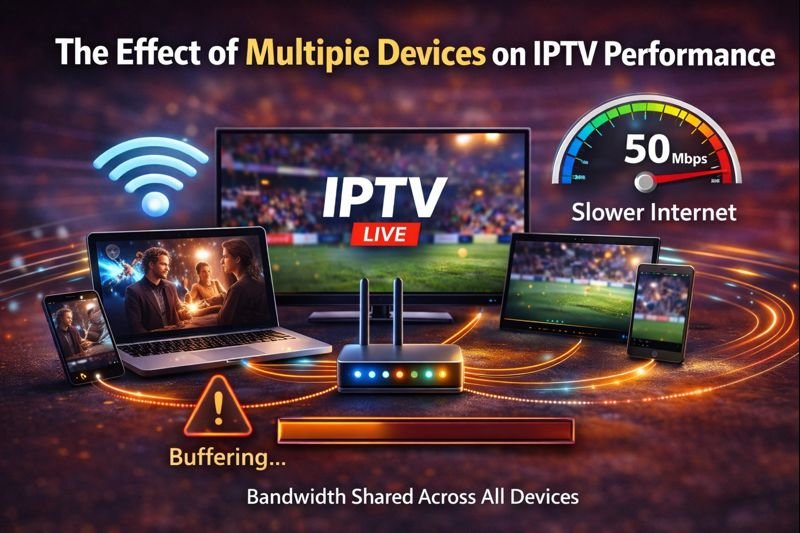
Most Canadian households use several internet-connected devices at the same timwhich directly affects streaming quality and often leads people to ask What Internet Speed Do You Need for IPTV in Canada? Smartphones, laptops, tablets, gaming consoles, and smart TVs all share the same internet bandwidth, and each additional device reduces the amount of available speed for uninterrupted IPTV streaming.
Video streaming is one of the most bandwidth-intensive online activities, especially when watching live television. When multiple users are active at the same time, overall performance can decline, even on high-speed connections. This is why understanding What Internet Speed Do You Need for IPTV in Canada? is important for households where people work remotely, attend online meetings, or stream content simultaneously.
For families or shared homes, choosing an internet plan that can support multiple devices is essential for maintaining smooth and reliable IPTV performance. Proper bandwidth planning ensures that streaming remains stable and enjoyable across all devices.
Wired vs Wireless Connections for IPTV
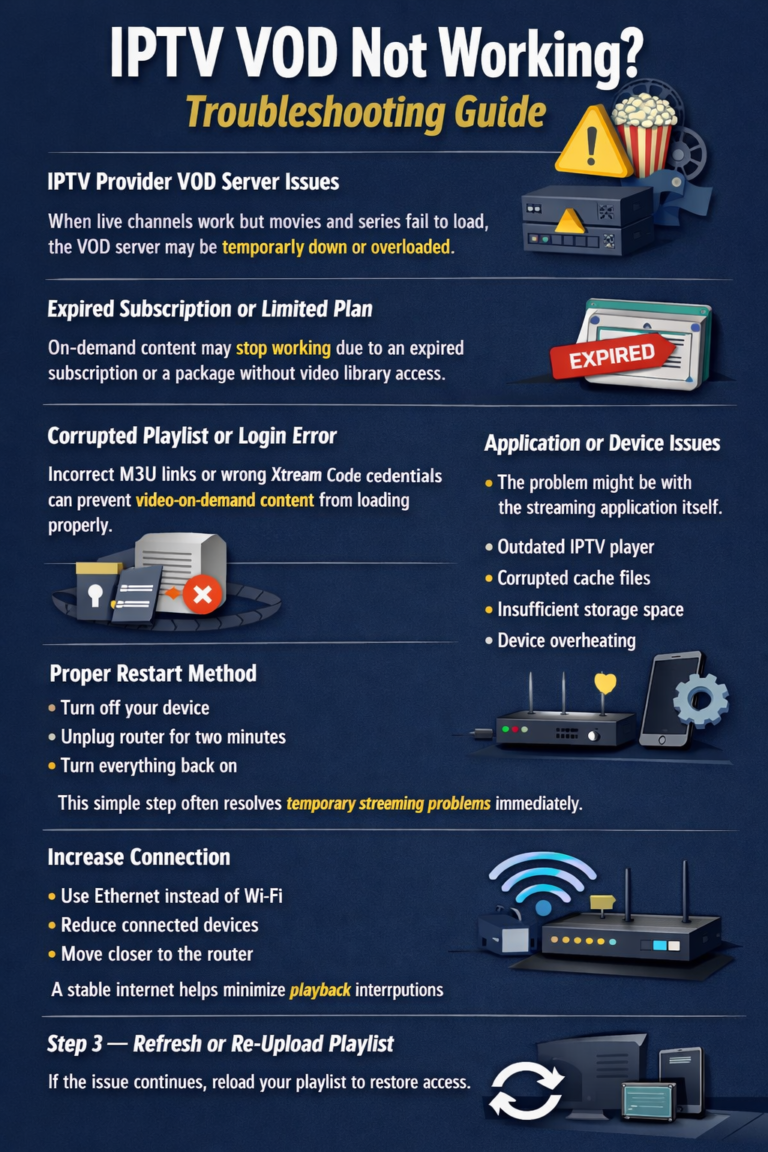
The type of connection you use can significantly affect streaming quality. Wireless connections are convenient but more susceptible to interference, signal loss, and speed fluctuations. Walls, distance from the router, and nearby electronic devices can all weaken Wi-Fi performance.
A wired Ethernet connection offers a direct and stable link to your router. It reduces latency and ensures consistent data transfer. Many IPTV streaming issues are resolved simply by switching from Wi-Fi to a wired setup.
For users who want the most reliable experience, especially when watching high-resolution content, a wired connection is strongly recommended.
Service Infrastructure and Streaming Reliability
Internet speed alone does not guarantee smooth streaming. The technical infrastructure behind the service is equally important. Some services rely on overcrowded servers that struggle during peak hours, leading to buffering and downtime.
High-quality services invest in optimized servers, modern compression technologies, and efficient content delivery systems. These systems help manage traffic and maintain stable performance even when many users are connected at once.
Choosing a reliable service is a key part of answering What Internet Speed Do You Need for IPTV in Canada?, because infrastructure quality directly impacts user experience.
Recommended Internet Speeds for IPTV in Canada
While exact requirements vary depending on usage, general recommendations can help users choose the right plan. Casual viewers who stream occasionally may not need extremely high speeds. However, users who watch frequently or prefer higher resolutions benefit from stronger connections.
Full HD streaming performs best iptv canada on stable, mid-range internet plans. Ultra-high-definition content requires higher bandwidth and works best when additional speed is available. Households with multiple users should consider higher-speed plans to avoid congestion.
Selecting an internet plan that exceeds minimum requirements helps ensure long-term reliability and smoother performance.
Planning for Future Streaming Needs
Streaming technology continues to evolve, with higher-quality content becoming more common. What works today may not be sufficient in the future. Choosing an internet plan with room to grow is a smart long-term strategy.
As more content becomes available in higher resolutions, IPTV subscription bandwidth demands will increase. Thinking ahead helps avoid the need for frequent upgrades and ensures a consistent viewing experience over time.
Final Thoughts
Internet-based television offers flexibility, variety, and convenience for viewers across Canada, but its performance depends on several interconnected factors. Internet speed, stability, network usage, connection type, and service infrastructure all contribute to overall streaming quality. This is why many users continue to ask What Internet Speed Do You Need for IPTV in Canada? before committing to an IPTV setup.
By choosing the right internet plan, managing household bandwidth effectively, and using a stable connection, users can enjoy smooth and uninterrupted viewing. For anyone still asking What Internet Speed Do You Need for IPTV in Canada?, the answer lies in balancing speed, reliability, and smart planning to ensure a consistent and high-quality IPTV experience.