
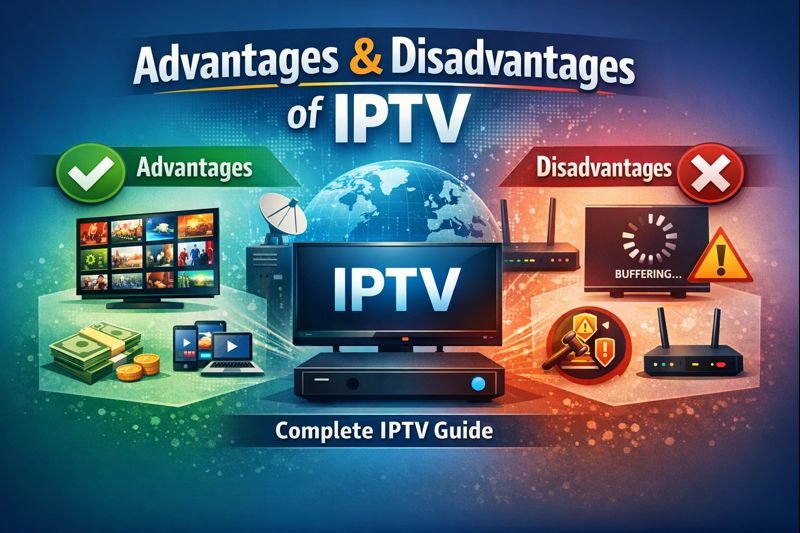
Internet Protocol Television, commonly known as IPTV, has become a popular alternative to traditional cable and satellite television. With the rapid growth of high-speed internet, more users around the world are switching IPTV canada to access live TV channels, on-demand movies, and series through an internet connection. While IPTV services offer many benefits, they also come with certain limitations that users should understand before making the switch.
This article provides a detailed overview of the main advantages and disadvantages of IPTV, helping readers make an informed decision based on their needs, internet setup, and viewing habits.
What Is IPTV and How Does It Work?
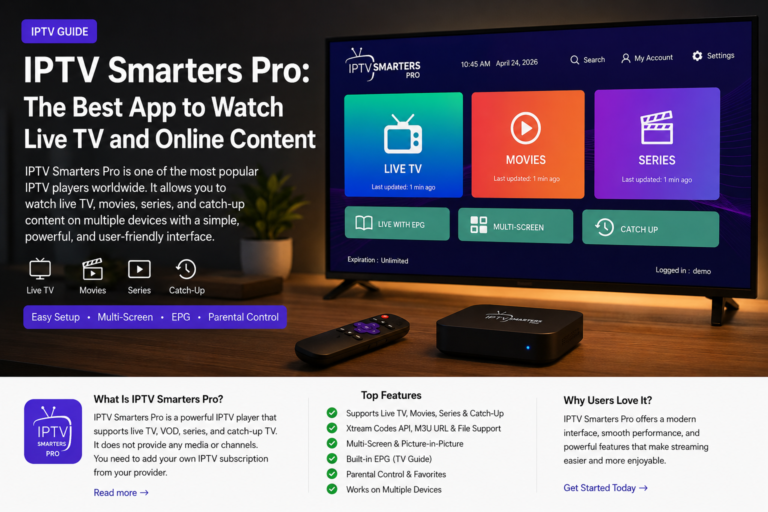
IPTV delivers television content through internet protocols instead of traditional broadcast methods such as cable or satellite signals. This modern technology is at the core of the advantages and disadvantages of IPTV, as it allows content to be streamed in real time or accessed on demand using an internet connection. As a result, users can watch TV on various devices, including smart TVs, smartphones, tablets, computers, and IPTV boxes.
Unlike traditional TV, IPTV relies heavily on internet performance, which directly influences both its strengths and limitations. Video data is continuously transmitted, meaning that connection speed and stability have a major impact on viewing quality. This dependence on internet connectivity clearly explains the main advantages and disadvantages of IPTV, from flexible access and device compatibility to potential buffering and quality issues.
Advantages of IPTV
Wide Variety of Content
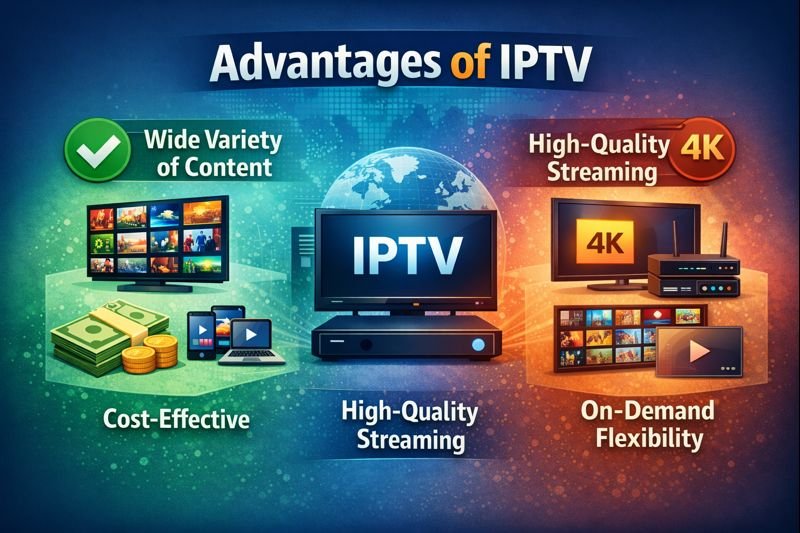
One of the most noticeable advantages of IPTV, and a key part of the overall advantages and disadvantages of IPTV, is access to a massive range of content. IPTV services often provide thousands of live TV channels from different countries, covering sports, news, entertainment, and international programming that is rarely available through traditional TV providers.
In addition to live television, many IPTV platforms offer large video-on-demand libraries that include movies, TV shows, and exclusive content. This content flexibility is one of the strongest advantages and disadvantages of IPTV comparisons, as it allows viewers to fully customize their entertainment experience instead of being limited to fixed channel packages offered by cable or satellite television.
On-Demand and Time-Shifting Features
Best IPTV Canada services offer advanced features such as video on demand, catch-up TV, and time-shifting. Users can watch programs whenever they want instead of following a fixed broadcast schedule.
Missed a live show? Catch-up TV allows viewers to watch it later without recording manually. These features provide flexibility that traditional television services often lack, making IPTV more convenient for modern lifestyles.
Multi-Device Compatibility
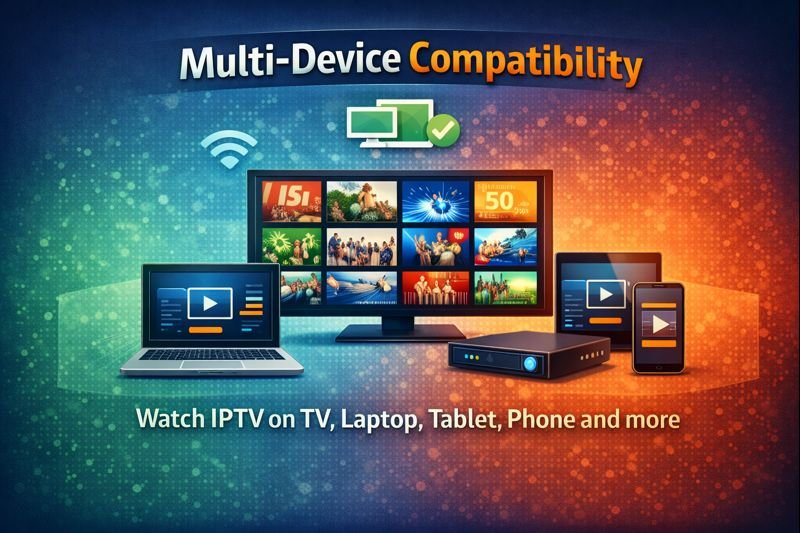
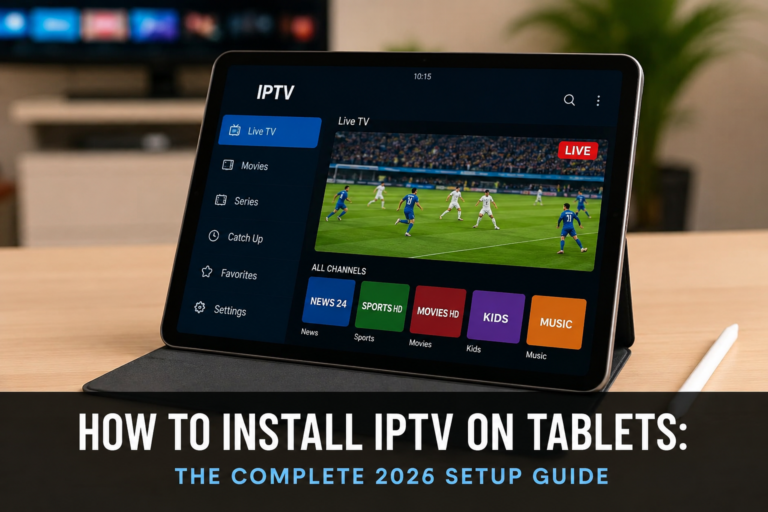
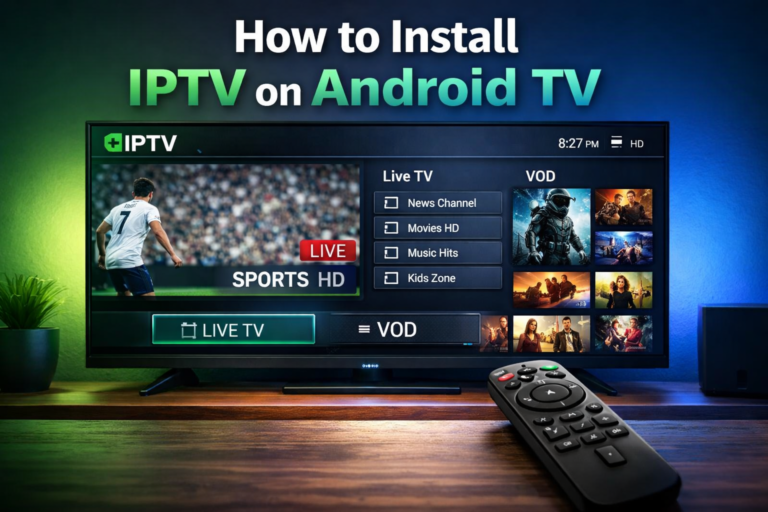
Another major benefit of IPTV is device flexibility. Users are not limited to watching TV on a single screen. IPTV content can be accessed on smart TVs, laptops, smartphones, tablets, and streaming devices.
This multi-device compatibility allows users to watch content at home or on the go, as long as they have an internet connection. For households with multiple viewers, this flexibility significantly improves the overall experience.
Cost-Effective Compared to Traditional TV
One of the most important advantages and disadvantages of IPTV to consider is its cost compared to traditional television services. In most cases, IPTV services are significantly more affordable than cable or satellite subscriptions, while still offering access to a larger selection of channels and on-demand content.
Many IPTV providers offer flexible pricing without installation fees for satellite dishes or cable infrastructure, and users usually do not need to commit to long-term contracts. This pricing model is often highlighted when discussing the advantages and disadvantages of IPTV, as it makes IPTV an attractive option for viewers who want to reduce monthly entertainment costs without sacrificing content variety.
High-Quality Streaming Options
High-quality streaming is often highlighted when discussing the advantages and disadvantages of IPTV, as many IPTV services support HD, Full HD, and even 4K resolution. With a stable and fast internet connection, users can enjoy sharp images, clear sound, and smooth playback that rivals or exceeds traditional television quality.
Modern IPTV platforms also rely on advanced compression technologies to deliver high-quality video while reducing bandwidth usage. This balance between performance and efficiency is a key point in the advantages and disadvantages of IPTV, since it improves the overall streaming experience while still depending on internet speed and stability..
Disadvantages of IPTV
Dependence on Internet Quality
One of the most significant disadvantages highlighted in the advantages and disadvantages of IPTV is its complete dependence on internet quality. Unlike cable or satellite TV, IPTV does not function properly when the internet connection is slow, unstable, or congested, which can directly affect the viewing experience.
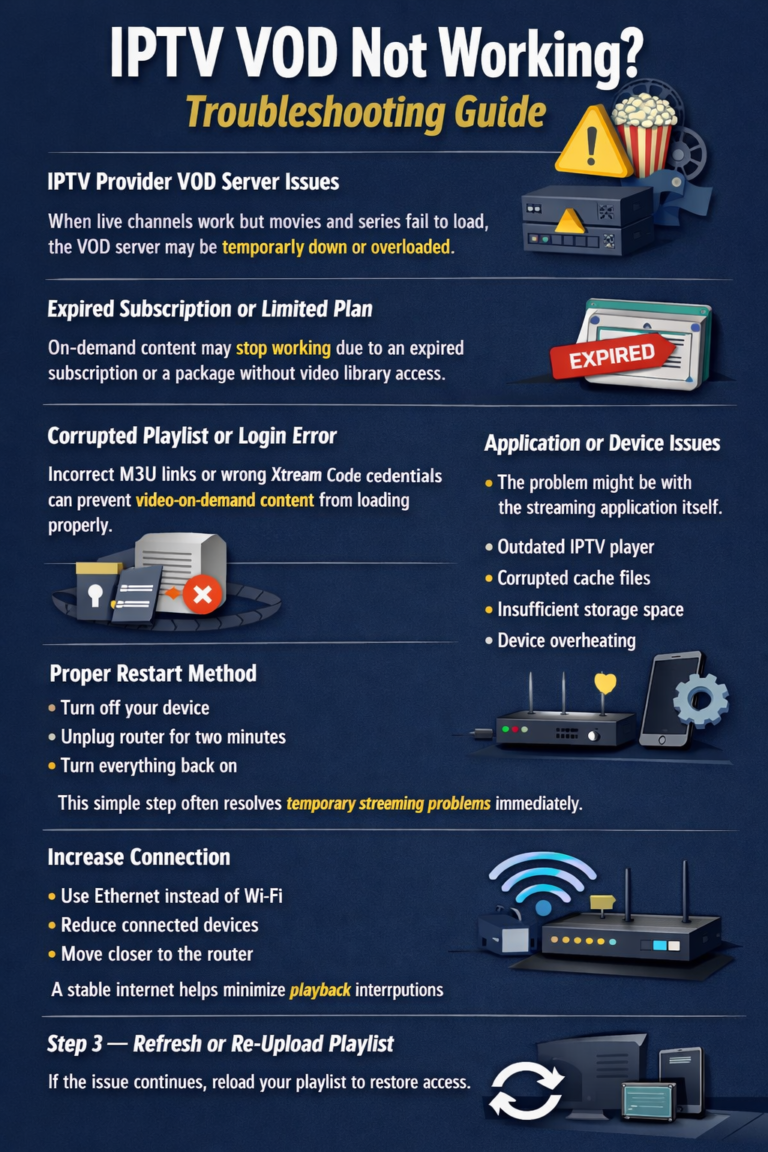
Buffering, freezing, and sudden drops in video quality are common problems when internet speed fluctuates. This issue is frequently mentioned when discussing the advantages and disadvantages of IPTV, as users with weak or inconsistent connections may struggle to enjoy IPTV services reliably, especially during peak usage hours.
Potential Legal and Reliability Issues
Not all IPTV services operate legally or transparently. Some providers offer unauthorized access to copyrighted content, which can expose users to legal risks.
In addition, unreliable services may disappear without notice, leaving users without support or refunds. Choosing a reputable and legitimate IPTV provider is essential to avoid these risks.
Technical Setup Can Be Challenging
Another point often mentioned when analyzing the advantages and disadvantages of IPTV is that the initial setup can be challenging for non-technical users. While IPTV is generally easy to use once configured, setting up applications, playlists, or IPTV boxes may require a basic level of technical knowledge that not all users have.
Problems such as incorrect settings, incompatible devices, or network configuration issues can discourage users who prefer simple plug-and-play solutions like traditional television. This setup complexity is one of the key advantages and disadvantages of IPTV to consider, especially for users who value simplicity and ease of use over advanced features..
Internet Data Usage
IPTV streaming consumes a significant amount of data, especially when watching HD or 4K content. Users with limited data plans may reach usage limits quickly, resulting in additional costs or reduced speeds.
This makes an IPTV subscription less suitable for users with strict data caps or limited broadband plans.
Service Stability During Peak Hours
IPTV services can experience performance issues during peak hours when many users are online simultaneously. Overloaded servers may cause buffering or downtime, even if the user’s internet connection is strong.
Service quality varies significantly between providers, and users may need to test different options before finding a reliable one.
IPTV vs Traditional Television
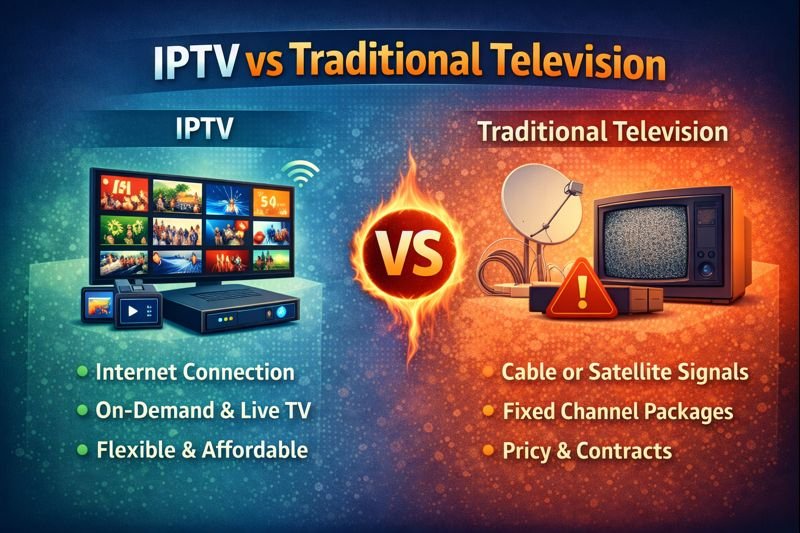
Compared to traditional TV, IPTV offers greater flexibility, more content options, and lower costs. However, traditional TV remains more stable in areas with poor internet infrastructure.
Cable and satellite services do not depend on internet performance, making them more reliable in certain situations. IPTV, on the other hand, excels in customization and modern features but requires a solid internet foundation.
Who Should Choose IPTV?
IPTV is ideal for users who:
- Have a stable and fast internet connection
- Want access to international and on-demand content
- Prefer flexible viewing on multiple devices
- Want to reduce monthly TV costs
It may not be the best option for users with unreliable internet or limited technical experience.
Final Thoughts
IPTV represents the future of television by combining internet technology with modern entertainment needs. Its advantages include flexibility, affordability, and access to a wide range of content. However, its disadvantages—such as dependence on internet quality and potential reliability issues—should not be ignored.
Understanding both the advantages and disadvantages of IPTV helps users make smarter decisions and avoid common frustrations. With the right internet setup and a reliable provider, IPTV can deliver an excellent and modern viewing experience that fits today’s digital lifestyle.